
Eat Smart, Lose Weight: Top Foods for a Leaner You
Discover the most effective low-fat, nutrient-rich foods that support healthy weight management. Our editorial team has curated a comprehensive guide to help you make smarter food choices every day — no extreme diets, no confusion, just real food knowledge.
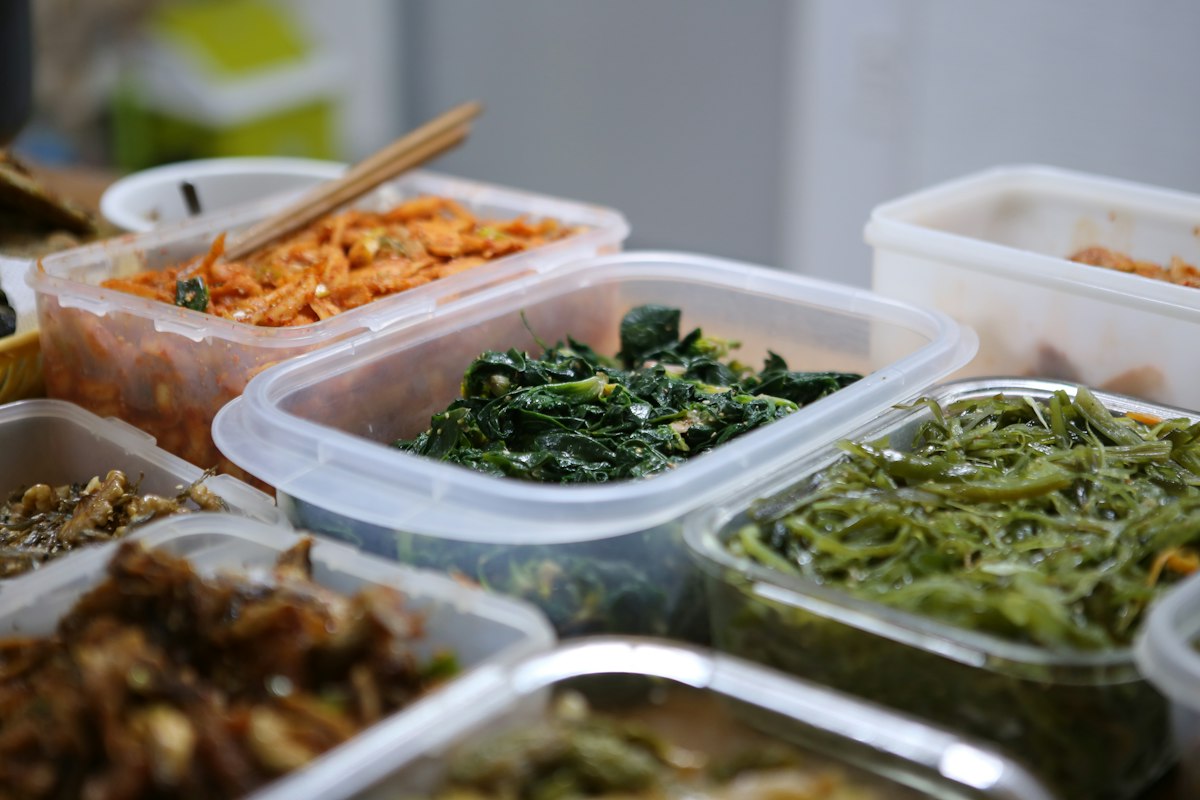
New to low-fat eating? Our principles guide is the perfect starting point.
Read the GuideWhy Food Choices Matter for Weight Management
Understanding the basics of nutrition is the first step toward making meaningful, lasting changes in how you eat and feel.
Caloric Density Awareness
Whole, low-fat foods tend to be far less calorically dense than processed alternatives. Eating more volume of the right foods keeps you satisfied without excess energy intake — a cornerstone of sustainable weight management.
Fiber's Role in Satiety
High-fiber foods slow digestion and help regulate appetite naturally. Incorporating legumes, vegetables, and whole grains into daily meals is widely recognized as one of the most effective approaches to managing hunger and portion size.
Hydration and Food Choice
Many water-rich foods — such as cucumbers, leafy greens, and berries — contribute to hydration while delivering essential vitamins. These foods support the body's natural processes and are naturally low in fat, making them ideal daily staples.
Top Low-Fat Superfoods for Weight Loss
Our editorial team reviewed the most researched and accessible ingredients that make meaningful contributions to a low-fat, balanced diet. Here are the foods we recommend exploring first.
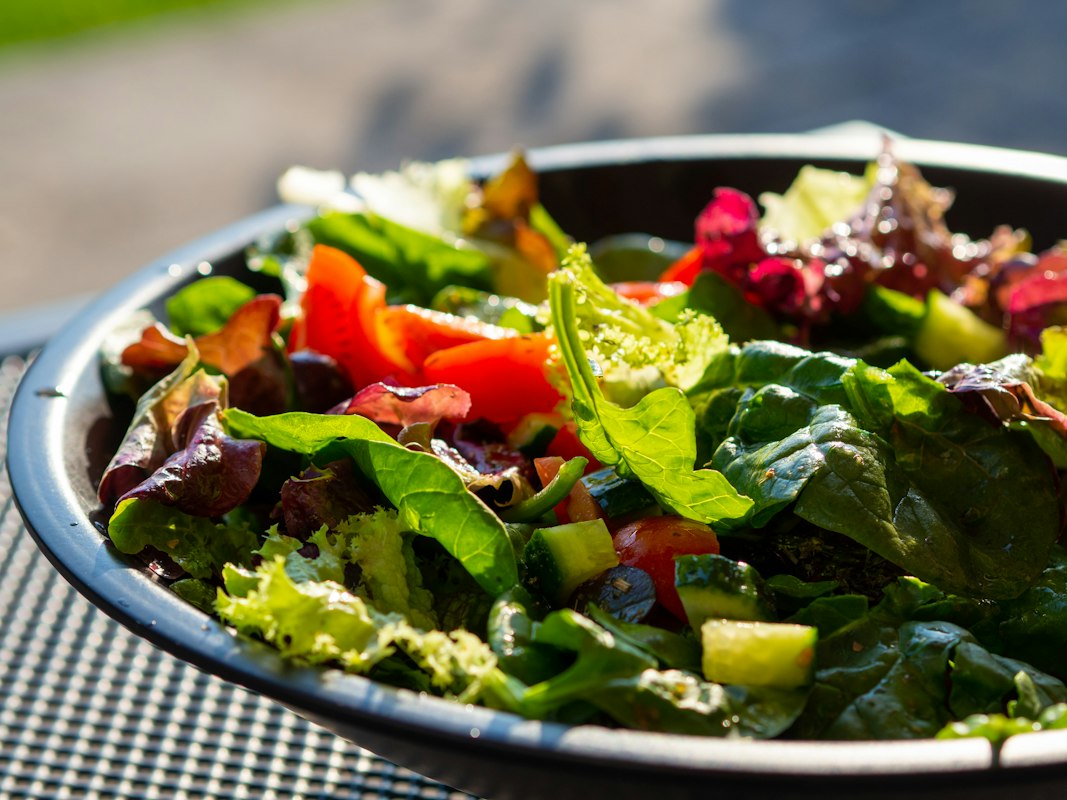
Leafy Greens (Spinach, Kale, Rocket)
Leafy greens are among the most nutrient-dense, lowest-calorie foods available. Rich in fiber, folate, and vitamins A and C, they add bulk to meals without adding fat or significant calories. Ideal as salad bases, stir-fry additions, or smoothie ingredients.

Berries (Blueberries, Strawberries, Raspberries)
Berries pack impressive amounts of antioxidants and fiber into a small, low-calorie portion. Their natural sweetness satisfies cravings without the need for added sugar. Whether enjoyed fresh, frozen, or in yogurt, they are a top choice for anyone following a weight-management eating plan.
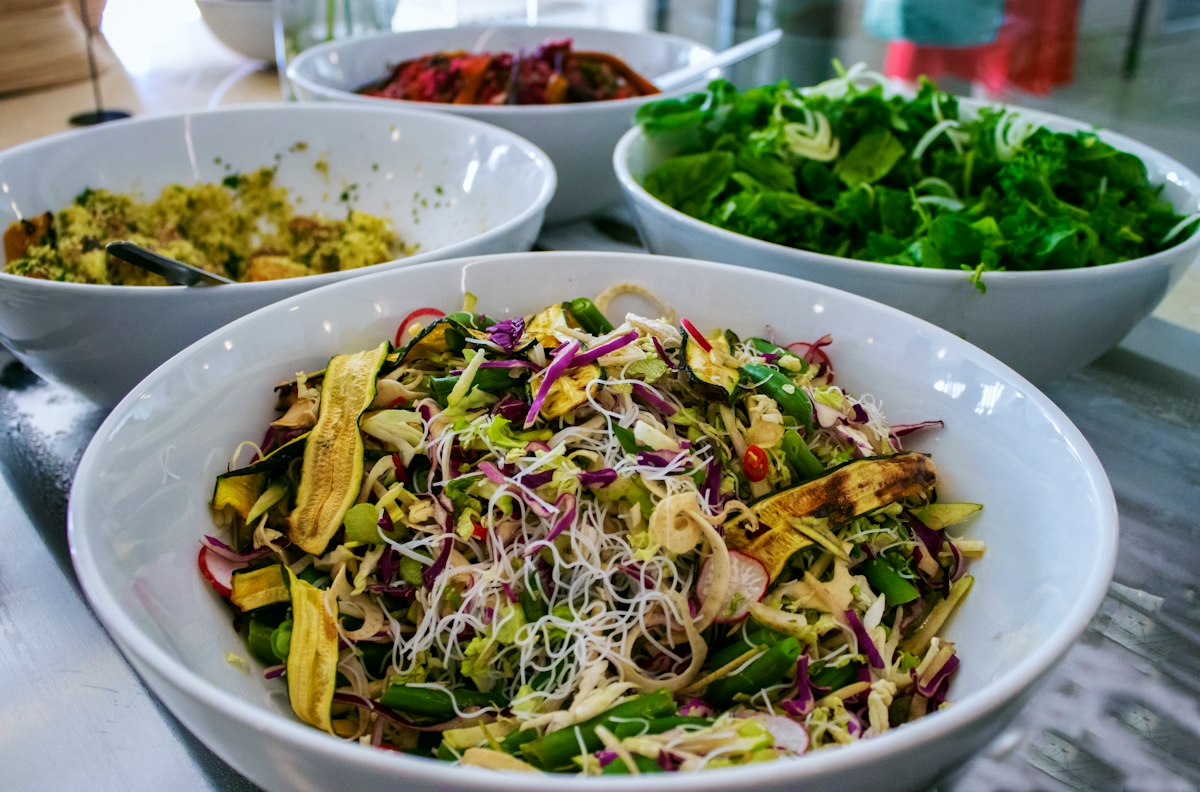
Lean Poultry (Chicken Breast, Turkey)
Skinless chicken breast and turkey breast are excellent sources of high-quality protein with very little fat. Protein is known for its strong satiating effect, helping you feel full for longer after meals. These are foundational proteins in most evidence-informed weight-management meal plans.
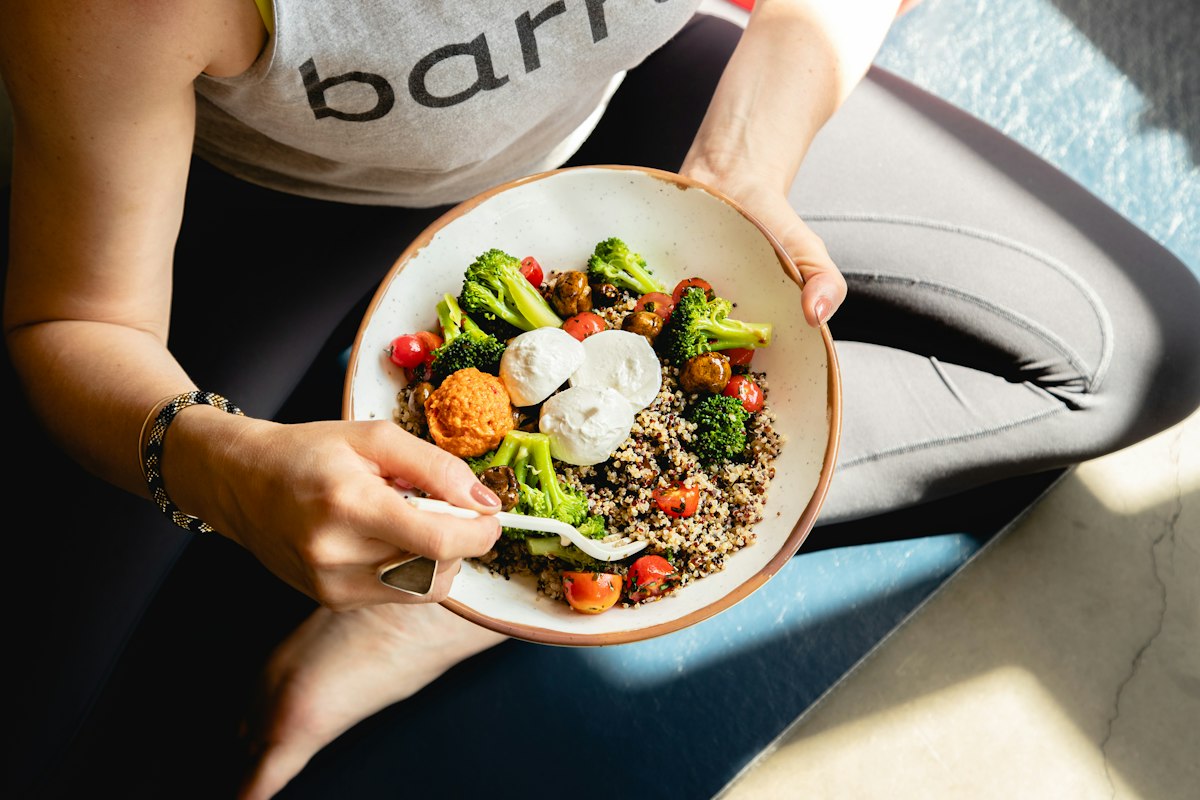
Lentils & Chickpeas
Legumes such as lentils and chickpeas offer a remarkable combination of plant protein and soluble fiber in a naturally low-fat package. They digest slowly, supporting stable energy levels and prolonged fullness. A staple of the traditional French Mediterranean-inspired diet, they are incredibly versatile in soups, salads, and stews.
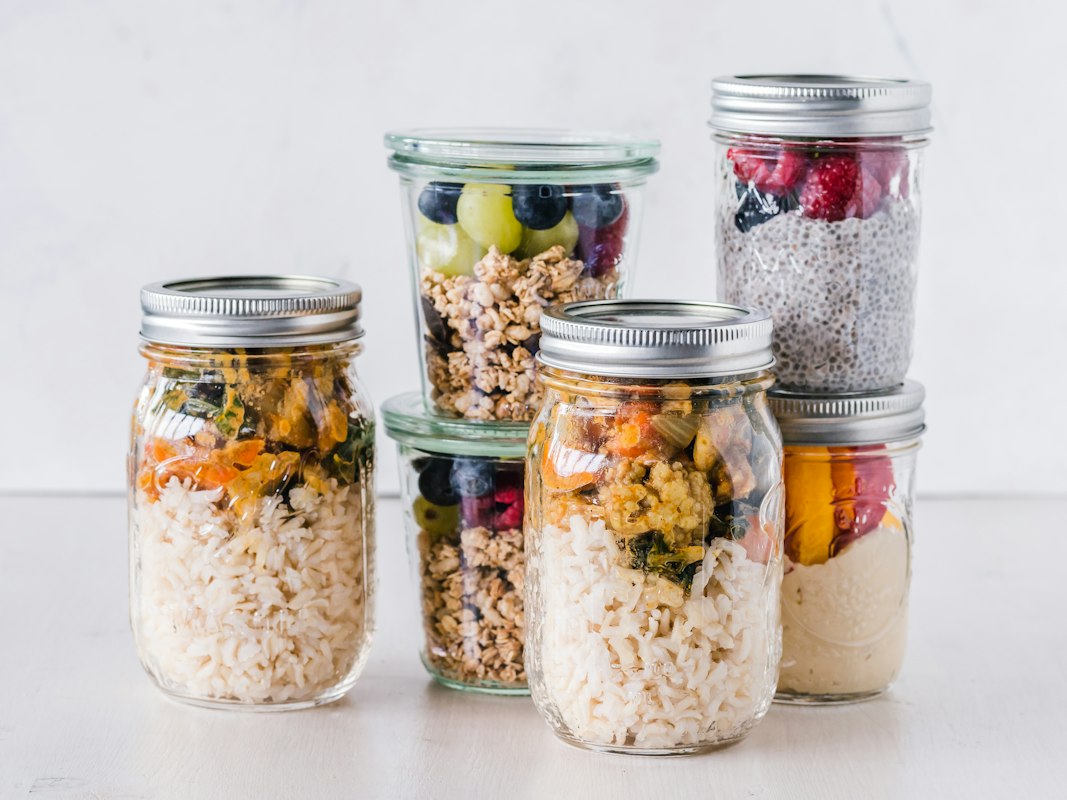
Plain Low-Fat Yogurt & Fromage Blanc
Plain low-fat yogurt and the beloved French fromage blanc are excellent sources of protein and calcium with minimal fat content when chosen in their low-fat varieties. They support digestive wellbeing and can be enjoyed as breakfast, a snack with fruit, or as a base for savory dips and dressings.
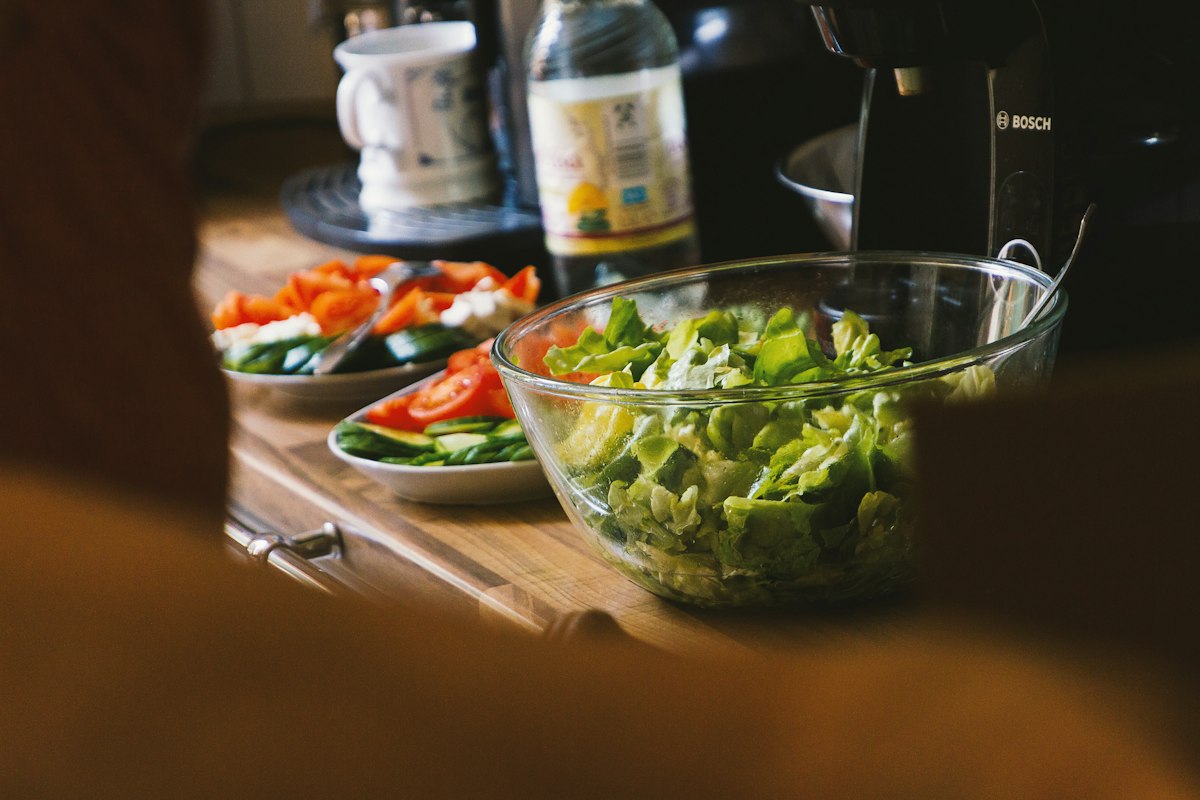
Oats & Whole Grains (Barley, Quinoa)
Whole grains like rolled oats, barley, and quinoa are low in fat and high in complex carbohydrates and fiber. They provide long-lasting energy and help keep blood sugar levels steady throughout the morning, reducing the urge to snack on high-calorie foods before lunch.
Why Low-Fat Whole Foods Beat Fad Diets Every Time
Fad diets often promise dramatic changes by eliminating entire food groups or restricting calories to unsustainable levels. While they may produce short-term results, they rarely teach lasting habits. Low-fat whole food eating, by contrast, is a flexible and evidence-supported approach that fits seamlessly into real life — whether you're dining out in Lyon, cooking at home in Bordeaux, or grabbing lunch in Paris.
Whole foods in their natural or minimally processed state retain their fiber, micronutrients, and water content, all of which contribute to feeling satisfied with smaller portions. This is something ultra-processed "diet" products can never replicate. The fiber in a bowl of lentil soup does far more for your appetite than a packaged "low-calorie" snack bar ever could.
Our editorial approach at Healthyweightfoodsguide is to present this science in an accessible, jargon-free way, helping our readers build an understanding of food that lasts — not a rigid plan that crumbles under everyday pressure.
Read Our Core Principles
Looking for practical recipe ideas using these low-fat ingredients?
Browse Weight-Loss RecipesCommon Questions About Low-Fat Eating and Weight Loss
Our editorial team has collected the most frequently asked questions from our community of readers across France and beyond.
Does eating low-fat actually help with weight management?
Low-fat eating can be a very effective strategy, particularly when the fats being reduced come from highly processed or fried foods. When you replace high-fat processed items with naturally low-fat whole foods — like vegetables, legumes, and lean proteins — you reduce caloric intake while increasing nutrient density. The key is choosing real foods, not just foods labeled "low-fat" in the supermarket, which can still be high in sugar.
Are all fats bad for weight loss?
Not at all. Healthy unsaturated fats — found in small amounts in avocado, nuts, and olive oil — play important roles in the body and can actually support a sense of fullness. The fats most associated with excess calorie intake are saturated and trans fats found in fried foods, pastries, and processed meats. A low-fat diet for weight management targets these specific fat sources, not every gram of fat in your meals.
What are the best vegetables to include in a low-fat meal plan?
Almost all vegetables are naturally very low in fat, making the choice relatively easy. For the best results in terms of fiber, volume, and micronutrients, focus on leafy greens (spinach, mâche, endive), cruciferous vegetables (broccoli, cauliflower, cabbage), root vegetables (carrots, turnips), and cucumbers. These provide excellent bulk per calorie and support digestive regularity, which is important for overall wellbeing on any weight-management plan.
Can I follow a low-fat diet while eating out in France?
Absolutely. French cuisine, particularly in its traditional and regional forms, offers many naturally low-fat options: steamed or grilled fish, ratatouille, salade niçoise (without the heavy dressing), vegetable soups like pot-au-feu, and plain grilled meats. The trick is to ask for sauces on the side and to prioritize dishes built around vegetables, legumes, and lean proteins. Dining out mindfully is very achievable without feeling restricted.
How much protein should I eat on a low-fat weight-loss diet?
Protein is a critical component of any weight-management eating plan because it supports muscle maintenance and promotes satiety. Most nutrition guidelines suggest aiming for a moderate-to-high protein intake relative to calories consumed. Lean sources such as chicken breast, white fish, eggs, legumes, and low-fat dairy are ideal. Distributing protein across all three main meals tends to produce the best appetite-management results throughout the day.
Stay Hydrated
Water plays a surprisingly important role in weight management. Drinking a glass of water before meals can reduce overall calorie intake by creating a mild feeling of fullness. Staying hydrated also supports metabolism and can prevent mistaking thirst for hunger. Aim for at least eight cups of water per day, and remember that herbal teas, broth-based soups, and water-rich vegetables like cucumber and celery all contribute to your daily fluid intake.
Mindful Eating & Meal Timing
When and how you eat matters almost as much as what you eat. Eating slowly, chewing thoroughly, and removing distractions like screens during meals helps your brain register fullness before you overeat. Front-loading calories earlier in the day — with a nutrient-dense breakfast and a moderate lunch — tends to support better weight outcomes than consuming the majority of calories in the evening. Structured meal times also help regulate hunger hormones like ghrelin and leptin.
Increase Fibre Intake
Dietary fibre slows digestion, stabilises blood sugar, and promotes a lasting sense of satiety — all of which are valuable when managing calorie intake. Whole grains like oats, barley, and brown rice, along with legumes, fruits, and vegetables, are rich fibre sources. Gradually increasing fibre while also increasing water intake prevents digestive discomfort. Adults benefit from consuming roughly 25–38 grams of fibre per day depending on their size and activity level.
Limit Ultra-Processed Foods
Ultra-processed foods — including packaged snacks, sugary breakfast cereals, fast food, and many ready meals — are engineered to be hyper-palatable, which makes it very easy to consume far more calories than intended. They tend to be low in fibre and protein while being high in refined sugars, unhealthy fats, and sodium. Replacing even a few servings of ultra-processed foods each week with whole-food alternatives can meaningfully reduce calorie intake and improve overall diet quality.
Real People, Real Results
Thousands of readers have used Healthyweightfoodsguide to transform their relationship with food and achieve lasting, sustainable weight management.
"I had tried every diet imaginable before discovering Healthyweightfoodsguide. The practical, science-backed guidance helped me finally understand how to build meals that keep me full without going over my calorie target. I've maintained a healthy weight for over a year now."
Sarah M.
Lost significant weight over 9 months
"The food swap ideas on this site were a game-changer for me. I didn't feel deprived — I just learned smarter choices. Swapping white rice for cauliflower rice three nights a week and choosing Greek yoghurt over sour cream made a bigger difference than I expected."
James R.
Dropped 2 clothing sizes in 6 months
"As a busy parent, I needed simple, realistic advice — not complicated meal plans. Healthyweightfoodsguide delivered exactly that. The portion guidance and the tips on building balanced plates helped me lose the weight I had been carrying since having my children."
Laura T.
Reached goal weight after 12 months